How Much Does Ring Resizing Cost? (And Can Every Ring Be Resized?)
A ring resize is one of the most common jobs in my workshop, but it’s rarely as simple as making a ring bigger or smaller.
Some rings can be resized in under an hour. Others shouldn’t be resized at all.
Before quoting any work, I always inspect the ring first. That tells me not only what it will cost, but whether resizing is actually the best long term solution.
Have a ring which doesn’t fit? Contact me through WhatsApp or fill out an Enquiry Form
How much does ring resizing cost?
Typical prices at The Middle Green are:
- Workshop minimum charge: £75
- Ring resizing: from £95
The final price depends on:
- the metal
- how many sizes it needs adjusting
- whether metal needs adding or removing
- the setting style
- the overall condition of the ring
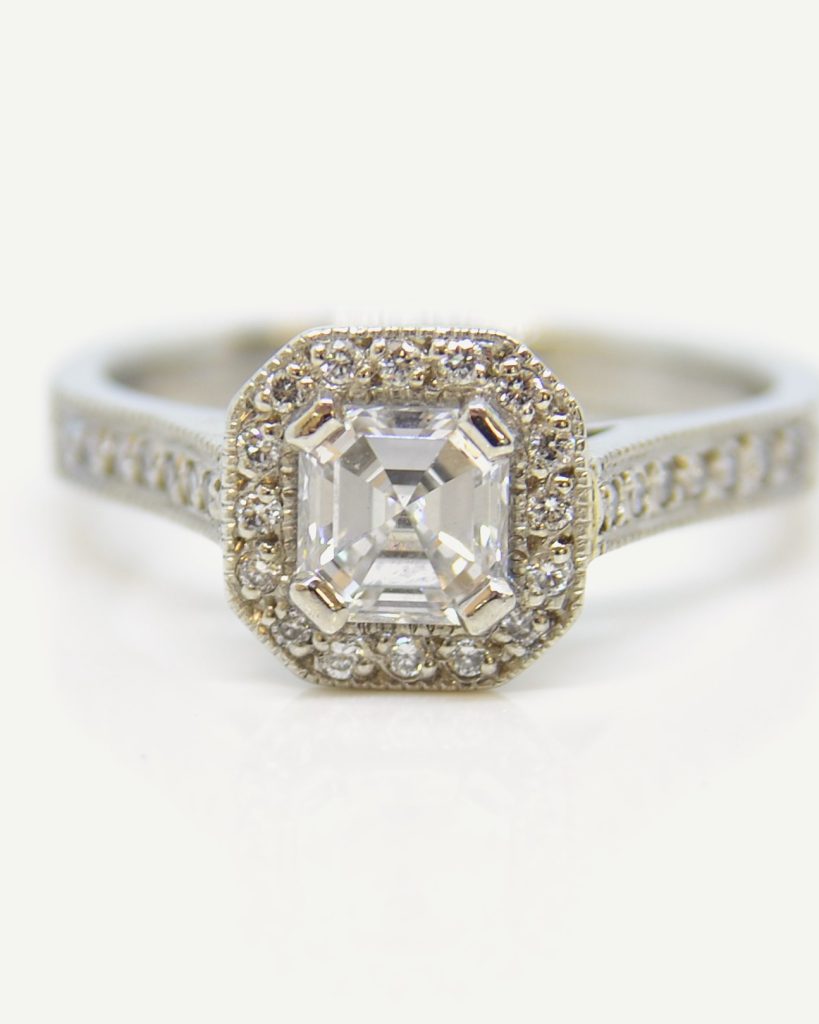
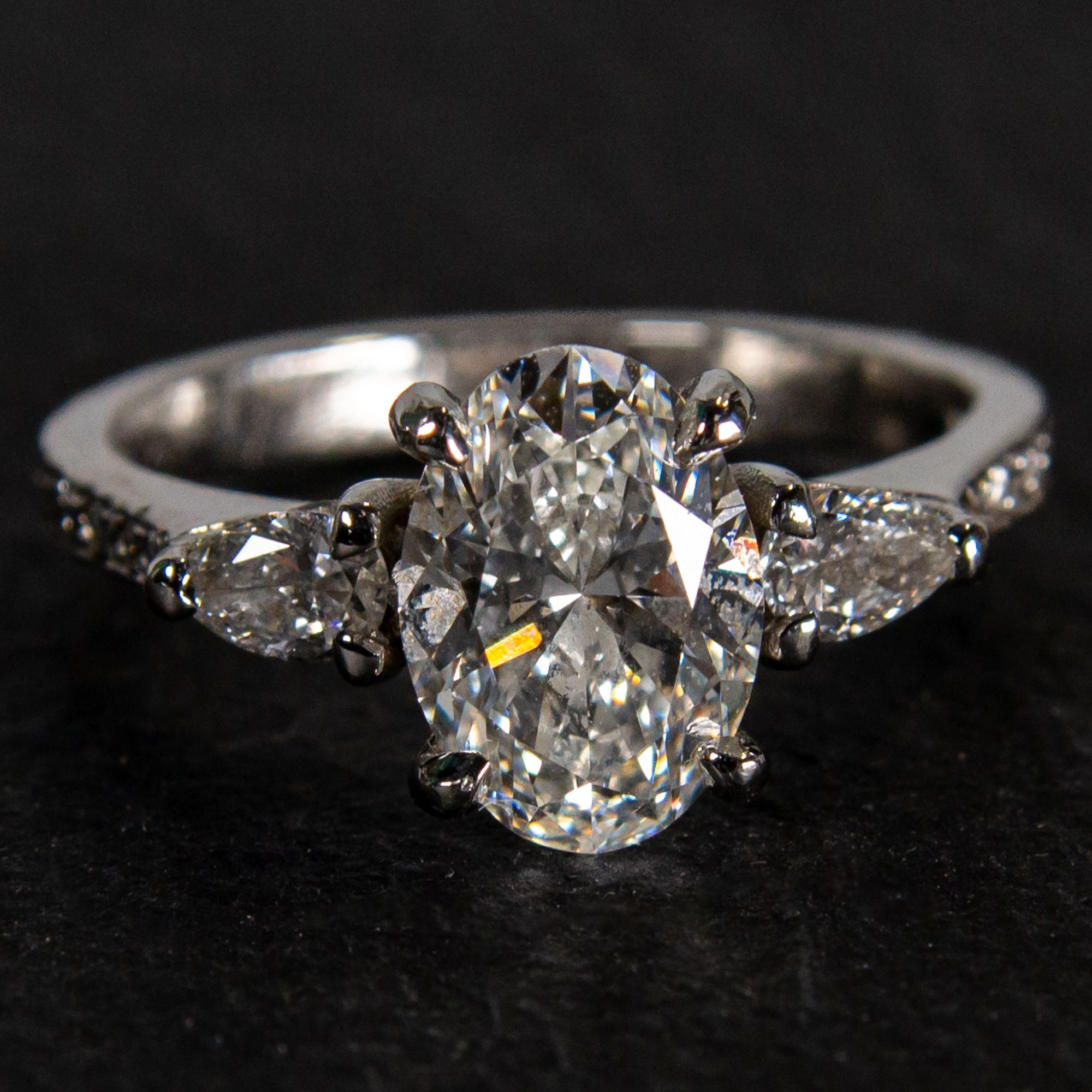
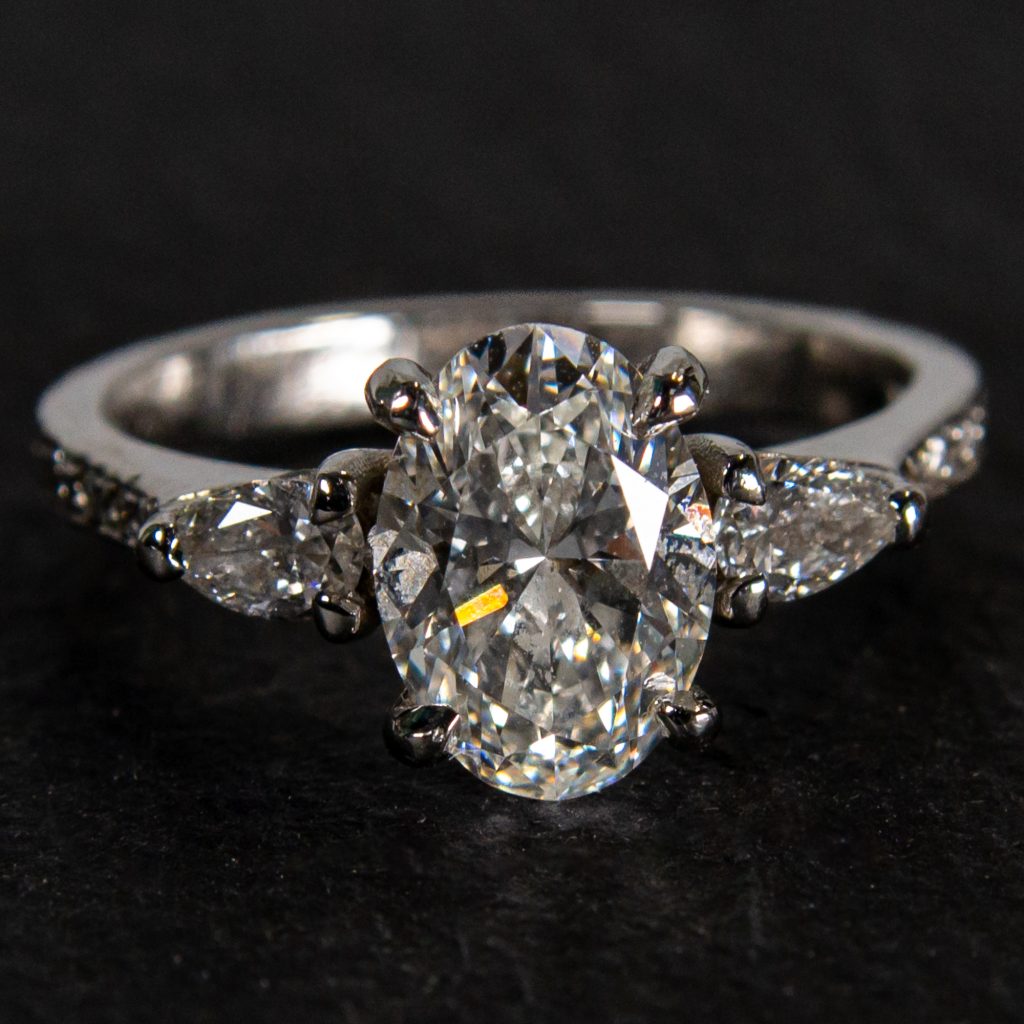
A plain wedding band is generally much simpler than a diamond set engagement ring.
Which rings can be resized?
I’m happy to resize:
- Sterling silver
- 9ct, 14ct and 18ct gold
- Platinum
- Palladium
Most rings can be altered by one or two sizes without issue.
In some cases it’s possible to adjust a ring by as many as eight to ten sizes, but at that point we often need to ask a different question:
Should we resize it, or would making a new band produce a better result?
Sometimes replacing the band gives a stronger, longer lasting ring than trying to force the original beyond what it was designed for.
Some rings aren’t good candidates
I occasionally recommend against resizing.
Examples include:
- very thin or heavily worn rings
- hollow jewellery
- plated jewellery
- non precious metals
- badly damaged shanks
It isn’t because the work can’t always be attempted.
It’s because I’d rather be honest than charge for something I don’t think will last.
What about chains?
I regularly repair heavier precious metal chains.
However, if a fine chain has snapped once, it’s often worn along much of its length.
Repairing a single break may simply move the weak point somewhere else, meaning another break a few weeks later.
If that’s the case, I’ll explain the options before carrying out any work.
Every ring is inspected first
Before I start work I check:
- stone security
- worn claws
- previous repairs
- thin areas of the band
- cracks
- solder joints
- hallmarks
- the overall condition of the ring
Sometimes this inspection reveals issues the owner wasn’t aware of.
I’d much rather find them on the bench than after the ring has gone back on someone’s finger.
One thing I never do is quote purely from a photograph. Images are useful for an initial opinion, but they rarely reveal worn claws, hairline cracks or previous repairs. A quick inspection in the workshop allows me to give accurate advice and helps avoid unexpected problems once work begins.
Sometimes the best repair isn’t a repair
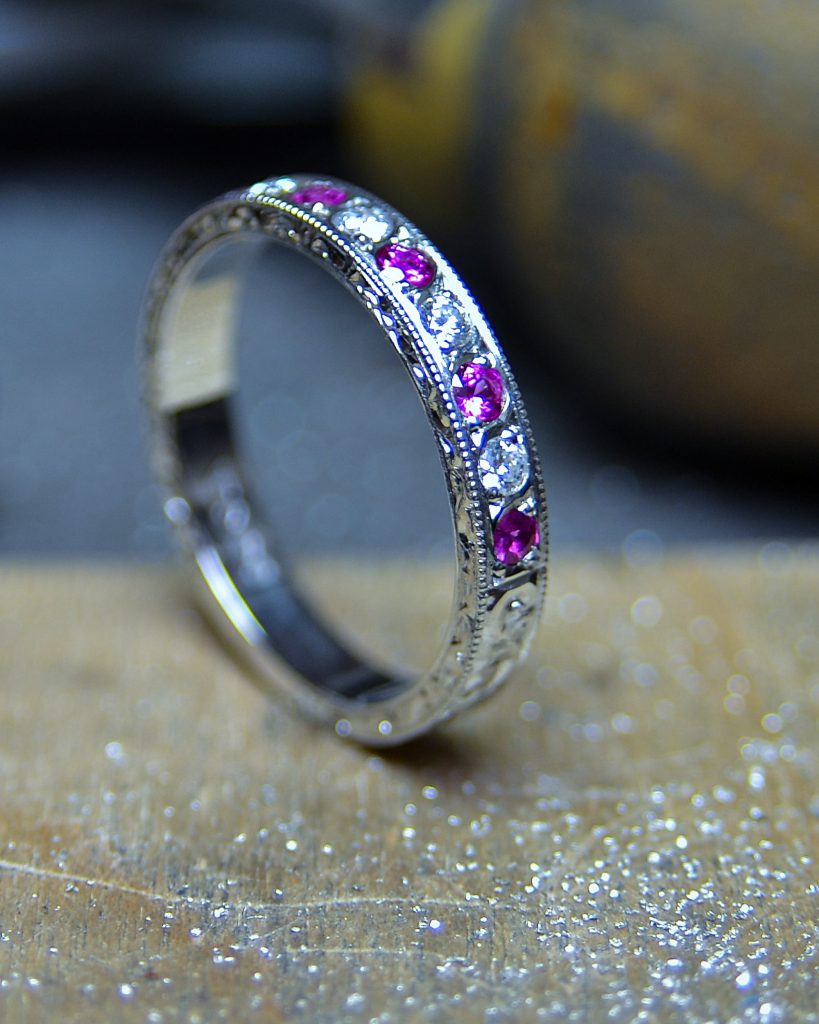
One customer brought me a platinum channel set diamond ring that needed increasing by six sizes.
Because of the way the ring had originally been made, enlarging it would almost certainly have caused the band to distort.
Instead, we used the opportunity to create an entirely new platinum ring for her 40th wedding anniversary.
We added rubies alongside the original diamonds, grain set everything for extra security and produced a ring that looked familiar while being much stronger than the original.
Sometimes the best outcome isn’t preserving every part of a ring.
It’s preserving the story while giving it another lifetime of wear.
How long does ring resizing take?
Simple ring sizings can often be completed within a week, particularly if they’re needed for a proposal, wedding or other important date.
More involved work naturally takes longer.
If a ring needs redesigning or rebuilding, the process can take several weeks and occasionally up to eight weeks.
I’ll always give you an expected timescale before any work begins.
Guarantee
Every repair includes:
- inspection of stone settings
- professional cleaning
- full polish
Repairs to jewellery not originally made by The Middle Green are guaranteed for 6 months.
Jewellery originally made by The Middle Green carries a further 12 month guarantee on the work completed.
White gold rings can also be freshly rhodium plated if required. This isn’t essential, but it restores the bright white finish many people associate with white gold. I would price this as an optional extra at around £60 to £90, depending on the piece.
Ring resizing in Swindon
If you’re unsure whether your ring can be resized, send me a few clear photographs using the repair enquiry form or WhatsApp.
In many cases I can give an initial opinion before our consultation.
If I think resizing isn’t the right solution, I’ll explain why and talk you through the alternatives.
No pressure. Just honest advice and a repair that’s designed to last.
FAQ
Can every ring be resized?
No. Most precious metal rings can be resized, but very thin, damaged or certain stone set designs may need a different solution.
How long does ring resizing take?
Simple ring sizings can often be completed within a week. More complex work or redesigns may take several weeks.
Can an engagement ring be resized?
Yes. Gold, platinum and palladium engagement rings can usually be resized, although the design and condition of the ring need to be assessed first.
How much does ring resizing cost?
Ring resizing at The Middle Green starts from £95, with a minimum workshop charge of £75. The final price depends on the ring’s design and condition.
Will my ring look different after resizing?
A correctly resized ring should look as though it was always made that size. Every ring is polished and cleaned before being returned.
Suggested Related Articles
The Biggest Engagement Ring Mistakes I See