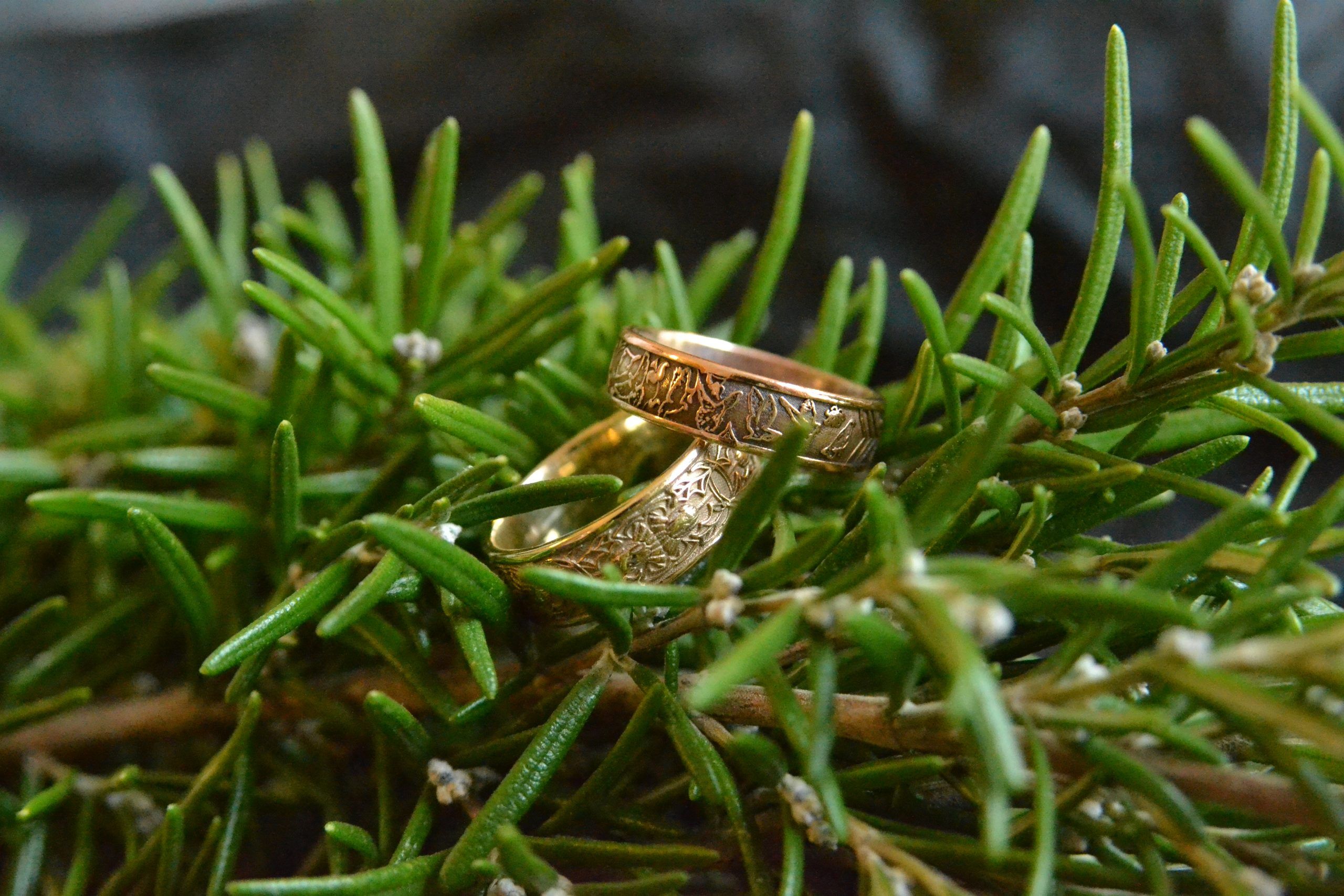
How to Choose a Wedding Ring That You’ll Still Love in 20 Years

Choosing a wedding ring is different from choosing most other jewellery.

It is something you will wear every day. Through work, travel, routine, and change. Over time, it becomes less about how it looks in a box, and more about how it feels as part of your life.

The best wedding rings are not the ones that feel exciting in the moment. They are the ones that still feel right years later.

Here is what actually matters.

Start with how it will be worn, not how it looks

Most people begin with appearance. Width, finish, metal.

A better place to start is your day to day life.

Do you work with your hands
Are you active
Do you wear jewellery already

A ring that looks perfect in a photo can feel intrusive if it is too thick, too sharp on the edges, or simply unfamiliar on your hand.

If it doesn’t feel natural within a few days, it won’t feel natural in ten years.

Simplicity tends to last longer

There is a reason most wedding rings are relatively understated.

Trends change. Preferences shift. What feels bold now can feel dated later.

Simple forms, considered proportions, and honest materials tend to age better.

This does not mean plain. It means intentional.

A subtle texture, a soft matte finish, or a slight variation in profile often carries more longevity than anything overly decorative.

Proportion matters more than people expect

Width and thickness change how a ring feels far more than how it looks.

A ring that is too narrow can feel insubstantial. Too wide, and it can become uncomfortable, especially between the fingers.

As a general guide:

  • slimmer hands often suit narrower bands
  • larger hands can carry more width comfortably

But there are no fixed rules. The right proportion is the one that feels balanced on your hand.

Trying on different widths is one of the most valuable steps in the process.

Comfort is not optional

A wedding ring is worn constantly. Small details make a significant difference over time.

Things that matter:

  • slightly rounded inner edges (often called court profile)
  • softened outer edges
  • appropriate thickness for durability without bulk

A well-made ring should feel smooth, unobtrusive, and easy to forget you are wearing.

If you are constantly aware of it, something is off.


Think about how it will age

All jewellery changes over time.

Scratches, soft wear, and patina are part of the process. The goal is not to avoid this, but to choose a ring that ages well.

Consider:

  • matte finishes will develop a natural polish over time
  • highly polished rings will show scratches more clearly
  • heavier rings tend to wear more slowly than very thin ones

A good wedding ring should look better after years of wear, not worse.

Metal choice should be practical

The two most common choices are white gold and platinum. They behave differently over time.

White gold:

  • slightly warmer tone under plating
  • requires occasional rhodium replating to maintain a bright white finish
  • generally lighter

Platinum:

  • naturally white, no plating required
  • develops a soft grey patina rather than losing material
  • heavier feel on the hand

Neither is objectively better. It depends on whether you prefer lower maintenance or a specific look and feel.

Matching doesn’t have to mean identical

Many couples assume their rings need to match exactly.

In practice, the most successful pairings share a connection rather than a duplicate design.

This could be:

  • the same metal
  • a similar texture
  • a shared detail in the finish

But the width, profile, or overall shape can differ to suit each person.

This creates a sense of unity without compromise.

Choose something that feels like you

There is a quiet difference between a ring that looks good, and a ring that feels right.

The latter is harder to define, but easier to live with.

It usually comes down to:

  • proportion that suits your hand
  • a finish that aligns with your style
  • a weight that feels natural

If you find yourself overthinking it, you may be looking too far outward.

The right ring tends to feel resolved.

A final thought

A wedding ring is not just chosen once.

It is worn, marked, and lived with over time.

The goal is not perfection on day one. It is choosing something that will settle into your life and continue to feel like yours.


Explore our wedding rings

If you are at the stage of exploring options, you can view our current collection here: Shop Wedding Rings

Or, if you are looking for something more personal, we offer a small number of bespoke commissions each month. Enquire About a Bespoke Ring
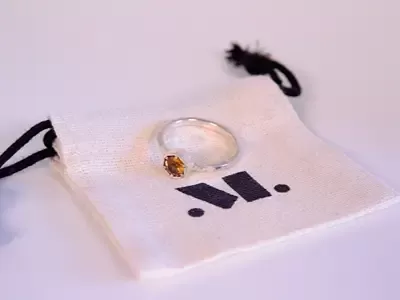
The best alternatives to diamonds when choosing a stone for your wedding or engagement ring

Best Alternative Gemstones for Engagement and Wedding Rings

Diamonds are a classic choice for engagement or wedding rings, but they are far from the only option. Many couples today are drawn to alternative gemstones that offer colour, character, and deeper personal meaning, while still standing up to daily wear.

When choosing a gemstone for a ring you’ll wear every day, durability matters. Stones with higher hardness on the Mohs scale resist scratching and abrasion, helping your ring retain its beauty for decades.

Here’s a practical guide to the best alternative gemstones for engagement and wedding rings, and how to choose the right one for you.

Why Choose Diamond Alternatives for Engagement Rings?

Alternative gemstones allow couples to:

  • Express individuality through colour and distinctive design
  • Select stones with personal or symbolic meaning
  • Create a ring that feels intentional rather than conventional

Many gemstones offer excellent durability, making them well suited to engagement and wedding rings when properly set.

What Makes a Good Engagement Ring Gemstone?

When choosing a gemstone for an engagement or wedding ring, consider three key factors:

1. Durability

For daily wear, gemstones ideally fall above 7.5 on the Mohs hardness scale. These stones resist scratching and maintain polish over time.

Excellent choices include:

  • Sapphire
  • Ruby
  • Tsavorite garnet
  • Spinel
  • Alexandrite

These stones combine beauty with practical longevity.

2. Colour and Visual Character

Alternative gemstones open up a wide spectrum of colour:

  • Deep greens, vivid blues, rich reds, soft pastels, and inky dark tones
  • Subtle or saturated depending on your preference

Your metal choice influences the final look:

  • White gold and platinum complement cooler hues (blue sapphire, spinel, alexandrite)
  • Yellow and rose gold enhance warm tones (ruby, tsavorite, champagne sapphire)

3. Meaning and Symbolism

Many couples choose stones for their associations:

  • Sapphire: loyalty, wisdom, and lasting love
  • Ruby: passion, strength, and devotion
  • Tsavorite: growth, vitality, and prosperity
  • Spinel: renewal and resilience

Meaning can be personal rather than traditional. The most important factor is choosing a stone that resonates with you.

Best Diamond Alternatives for Engagement Rings

Sapphire

One of the most durable gemstones after diamond. Available in blue, green, yellow, pink, peach, and parti-colours. A timeless yet versatile choice.

Ruby

A variety of corundum (like sapphire) with exceptional hardness and a rich red colour. Ideal for those wanting a bold, romantic statement.

Tsavorite Garnet

Vivid green with excellent brilliance and strong durability. A striking alternative to emerald, but far tougher for everyday wear.

Spinel

Often overlooked, spinel comes in blues, greys, reds, pinks, and black. Hard, bright, and well suited to engagement rings.

Salt and Pepper Diamonds

Natural diamonds containing visible inclusions that create a smoky, speckled appearance. They offer the same durability as traditional diamonds, with a more organic, unconventional aesthetic.

Stones Better Suited for Accent Use

Softer gemstones such as quartz varieties (amethyst, citrine, rose quartz), turquoise, or malachite can be beautiful, but are more vulnerable to scratching. These stones work best as:

  • Accent stones
  • Occasional-wear rings
  • Heavily protected bezel or halo settings

For centre stones in engagement rings, higher-hardness gems are the safer choice.

Engagement Ring Design Approaches

When exploring the best alternative stones for engagement rings, consider these design approaches:

  • Single-stone rings: Showcase a sapphire, ruby, spinel, or tsavorite for a clean, timeless look.
  • Gemstone centre with diamond accents: Coloured centre stone with small diamonds for added sparkle and durability.
  • Bezel-set gemstones: A protective metal rim around the stone, ideal for active lifestyles.

Good design and setting choice significantly extend a gemstone’s lifespan. Browse our selection of handmade rings for inspiration.

Gemstones in Wedding Bands

Wedding bands can incorporate gemstones subtly:

  • Small sapphires or rubies set flush into the band
  • Mixed gemstone and diamond accents
  • Alternating coloured stones for symbolic meaning

These details add individuality without sacrificing practicality.

Bespoke Engagement and Wedding Rings

For couples who want a truly unique ring, bespoke options are the perfect solution. Allowing you to choose the exact gemstone you love, select a setting and metal that suits your lifestyle, and create something truly one of a kind.

At The Middle Green, we specialise in creating bespoke engagement and wedding rings using both traditional diamonds and carefully selected alternative gemstones.

Book your consultation to design a ring that reflects your story and will last a lifetime.