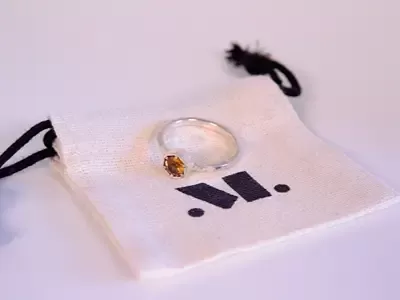
The best alternatives to diamonds when choosing a stone for your wedding or engagement ring

Best Alternative Gemstones for Engagement and Wedding Rings

Diamonds are a classic choice for engagement or wedding rings, but they are far from the only option. Many couples today are drawn to alternative gemstones that offer colour, character, and deeper personal meaning, while still standing up to daily wear.

When choosing a gemstone for a ring you’ll wear every day, durability matters. Stones with higher hardness on the Mohs scale resist scratching and abrasion, helping your ring retain its beauty for decades.

Here’s a practical guide to the best alternative gemstones for engagement and wedding rings, and how to choose the right one for you.

Why Choose Diamond Alternatives for Engagement Rings?

Alternative gemstones allow couples to:

  • Express individuality through colour and distinctive design
  • Select stones with personal or symbolic meaning
  • Create a ring that feels intentional rather than conventional

Many gemstones offer excellent durability, making them well suited to engagement and wedding rings when properly set.

What Makes a Good Engagement Ring Gemstone?

When choosing a gemstone for an engagement or wedding ring, consider three key factors:

1. Durability

For daily wear, gemstones ideally fall above 7.5 on the Mohs hardness scale. These stones resist scratching and maintain polish over time.

Excellent choices include:

  • Sapphire
  • Ruby
  • Tsavorite garnet
  • Spinel
  • Alexandrite

These stones combine beauty with practical longevity.

2. Colour and Visual Character

Alternative gemstones open up a wide spectrum of colour:

  • Deep greens, vivid blues, rich reds, soft pastels, and inky dark tones
  • Subtle or saturated depending on your preference

Your metal choice influences the final look:

  • White gold and platinum complement cooler hues (blue sapphire, spinel, alexandrite)
  • Yellow and rose gold enhance warm tones (ruby, tsavorite, champagne sapphire)

3. Meaning and Symbolism

Many couples choose stones for their associations:

  • Sapphire: loyalty, wisdom, and lasting love
  • Ruby: passion, strength, and devotion
  • Tsavorite: growth, vitality, and prosperity
  • Spinel: renewal and resilience

Meaning can be personal rather than traditional. The most important factor is choosing a stone that resonates with you.

Best Diamond Alternatives for Engagement Rings

Sapphire

One of the most durable gemstones after diamond. Available in blue, green, yellow, pink, peach, and parti-colours. A timeless yet versatile choice.

Ruby

A variety of corundum (like sapphire) with exceptional hardness and a rich red colour. Ideal for those wanting a bold, romantic statement.

Tsavorite Garnet

Vivid green with excellent brilliance and strong durability. A striking alternative to emerald, but far tougher for everyday wear.

Spinel

Often overlooked, spinel comes in blues, greys, reds, pinks, and black. Hard, bright, and well suited to engagement rings.

Salt and Pepper Diamonds

Natural diamonds containing visible inclusions that create a smoky, speckled appearance. They offer the same durability as traditional diamonds, with a more organic, unconventional aesthetic.

Stones Better Suited for Accent Use

Softer gemstones such as quartz varieties (amethyst, citrine, rose quartz), turquoise, or malachite can be beautiful, but are more vulnerable to scratching. These stones work best as:

  • Accent stones
  • Occasional-wear rings
  • Heavily protected bezel or halo settings

For centre stones in engagement rings, higher-hardness gems are the safer choice.

Engagement Ring Design Approaches

When exploring the best alternative stones for engagement rings, consider these design approaches:

  • Single-stone rings: Showcase a sapphire, ruby, spinel, or tsavorite for a clean, timeless look.
  • Gemstone centre with diamond accents: Coloured centre stone with small diamonds for added sparkle and durability.
  • Bezel-set gemstones: A protective metal rim around the stone, ideal for active lifestyles.

Good design and setting choice significantly extend a gemstone’s lifespan. Browse our selection of handmade rings for inspiration.

Gemstones in Wedding Bands

Wedding bands can incorporate gemstones subtly:

  • Small sapphires or rubies set flush into the band
  • Mixed gemstone and diamond accents
  • Alternating coloured stones for symbolic meaning

These details add individuality without sacrificing practicality.

Bespoke Engagement and Wedding Rings

For couples who want a truly unique ring, bespoke options are the perfect solution. Allowing you to choose the exact gemstone you love, select a setting and metal that suits your lifestyle, and create something truly one of a kind.

At The Middle Green, we specialise in creating bespoke engagement and wedding rings using both traditional diamonds and carefully selected alternative gemstones.

Book your consultation to design a ring that reflects your story and will last a lifetime.
Jewellery Care Guide - find out how to care for your jewellery

Jewellery Care Guide

Jewellery Care Guide

Every piece you own tells a story, and with the right care, it can last for generations. From delicate gemstones to precious metals, understanding how to clean and maintain your jewellery is key to preserving its sparkle. Our guide walks you through the best practices for all your favourite pieces, so they stay as beautiful as the day you got them.

See Guide

Caring for Precious Pieces


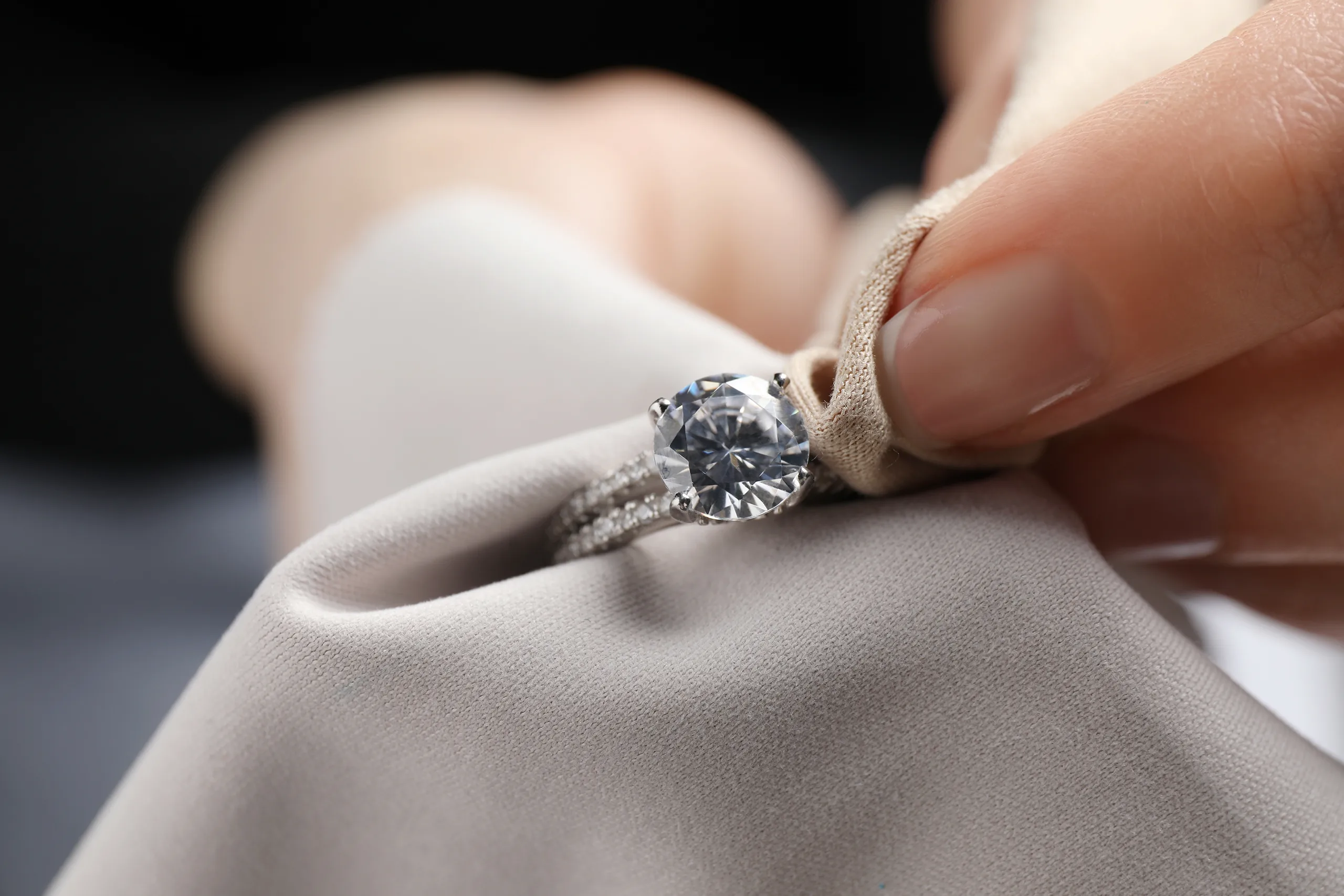
Whether it’s your wedding or engagement ring, a necklace, or your favourite pair of earrings, every piece of jewellery deserves proper care to maintain its beauty for years to come.

However, without understanding the best cleaning techniques, you may end up inadvertently damaging your jewellery.

Different materials commonly used in jewellery such as gold, silver and platinum require specific cleaning methods. Additionally, gemstones require more careful handling to ensure they aren’t damaged during cleaning.

Our jewellery care guide runs through the most common types of metal and gemstones used in jewellery and how to keep them looking their best.

If you have a bespoke piece from us, we offer complimentary cleans. Get in touch to arrange your clean and keep your jewellery looking its best.

Jewellery Cleaning Guide


General Care


Regardless of the metal or gemstone used in your jewellery, following these general care guidelines will ensure any avoidable damage and discolouration.

  • Store jewellery separately in fabric lined cases when not in use to ensure no abrasion damage from rubbing against other jewellery.
  • Avoid wearing jewellery when cleaning, particularly when using harsh chemicals such as bleach which can damage your jewellery.
  • Remove jewellery whilst exercising to prevent damage from perspiration.
  • Remove jewellery when swimming to avoid damage from chlorine or salt.
  • Apply perfumes and skin products before putting your jewellery on to prevent discolouration.
  • Remove jewellery whilst showering to prevent damage from hair and skin products.
  • Keep jewellery out of direct sunlight and humid areas when stored.

Materials  


  • Gold, Rose Gold & Yellow Gold

    Whilst gold looks stunning when purchased, it can lose its shine over time with everyday wear. Fortunately, dull gold can be revitalised with simple cleaning techniques. 

    • Soak in gold cleaning solution or warm soapy water for 10 minutes  
    • Gently remove any debris using a soft bristled toothbrush 
    • Rinse thoroughly with lukewarm water  
    • Dry gently with a soft cloth  
    • Polish with a jewellery polishing cloth to restore its shine  

    Rose gold and yellow gold can be cleaned in the same way. However, as rose gold contains copper, a cleaning formula specifically designed for gold and copper alloys is recommended. 

  • Silver

    Silver jewellery can tarnish and lose its shine over time due to oxidisation. Whilst this process is natural with everyday wear, it can easily be restored with cleaning.  

    • Soak in a silver cleaning solution or warm soapy water for 10 minutes 
    • For heavily tarnished silver, white vinegar and water can be used as an alternative   
    • Gently remove any debris using a soft bristled toothbrush 
    • Rinse thoroughly with lukewarm water  
    • Leave to air dry or use a specialist cloth for silver to dry 
  • Platinum & Palladium

    Both platinum and palladium are durable and dense metals. However, unlike other precious metals, platinum and palladium are prone to developing a natural matte (patina) over time. To avoid this, the metal should be cleaned regularly. 

    • Soak in jewellery cleaner or warm soapy water for 10 minutes  
    • Gently remove any debris using a soft bristled toothbrush 
    • Rinse thoroughly with lukewarm water  
    • Dry gently with a soft cloth  
    • Polish with a jewellery polishing cloth or soft cloth to restore its shine  

Gemstones


  • Diamond

    Despite their durability, diamonds can still scratch if cleaned incorrectly. Additionally, with everyday wear, diamonds can lose their shine.  

    • Soak in diamond cleaner or warm soapy water for 10 minutes  
    • Gently remove any debris using a soft bristled toothbrush 
    • Rinse thoroughly with lukewarm water  
    • Dry gently with a soft cloth  
  • Ruby

    Rubies are also extremely durable minerals, second only to diamonds.  

    • Fill a bowl with warm soapy water  
    • Gently remove any debris using a soft bristled toothbrush 
    • Rinse thoroughly with lukewarm water  
    • Dry gently with a soft cloth  
  • Onyx

    Similar to diamonds, onyx can be damaged with incorrect cleaning techniques despite how tough they are. Fortunately, onyx is simple to clean.  

    • Wipe the onyx with a cotton cloth to remove any dirt or dust  
    • For tough debris, soak the ring in warm soapy water for 10 minutes 
    • Gently remove any debris using a soft bristled toothbrush 
    • Rinse thoroughly with lukewarm water  
    • Leave to air dry 
  • Opals, Iolite & Pearls

    Because organic gemstones like opals, iolite and pearls are softer than mineral gemstones such as diamonds, they require more careful cleaning techniques to prevent damage. 

    • Fill a bowl with warm water with no cleaning solution or chemicals  
    • Use a soft cloth and gently scrub each of the gemstones, do not submerge them 
    • If there is stubborn dirt, use a soft brush to gently remove the debris 

    Soft gemstones such as opals, iolite and pearls should never be cleaned with steam or ultrasonic cleaners, as this can result in cracking and other damage.  

  • Tsavorite

    Whilst tsavorite is harder than other organic gemstones such as opals, pearls and iolite, it should still be cleaned carefully to avoid any damage to the stone. 

    • Fill a bowl with warm water with warm soapy water    
    • Gently remove any debris using a soft bristled toothbrush 
    • Dry gently with a soft cloth  

Premium Jewellery from The Middle Green

At The Middle Green, we believe that good jewellery should last a lifetime, that’s why we only use the finest quality materials sourced from reputable suppliers in all of our jewellery.  

Visit our online shop to browse a selection of jewellery available to buy online now. 

Explore Shop

Continue reading